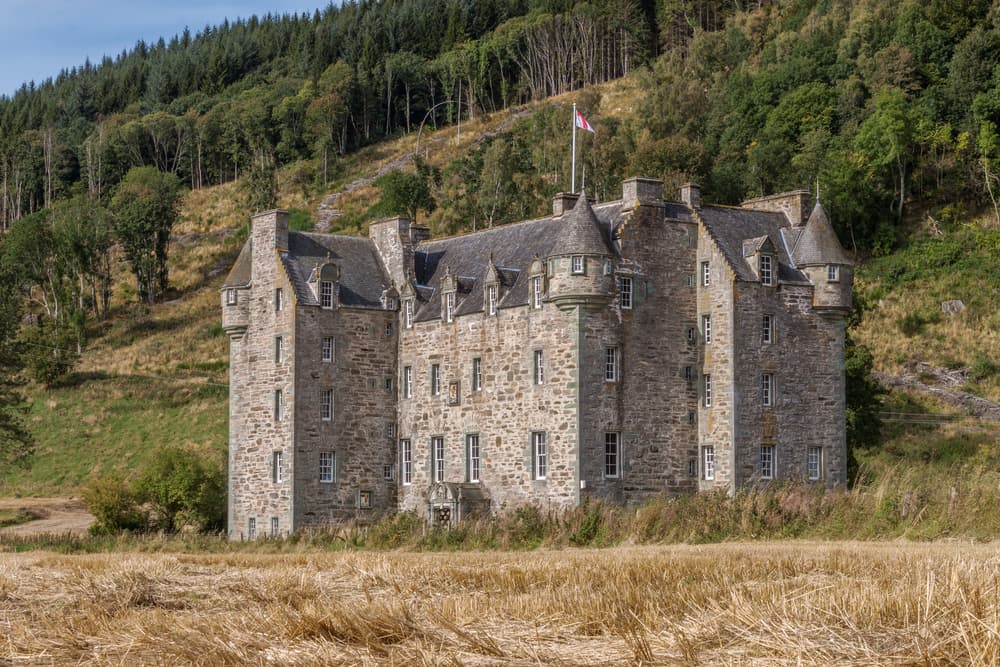
The Jacobite Clans: A Structured Reference
The Jacobite risings from 1689 to 1746 were not simply a Scottish nationalist or Catholic movement — they were deeply rooted in the clan-based social structure of the Scottish Highlands. Understanding which clans supported the Jacobites, which opposed them, and why, is essential to understanding the Jacobite story.
This guide is structured as a reference for research, education, and general interest. It covers the main Jacobite clans, the government-supporting clans, and the reasons underlying Highland Jacobite loyalty.
Clans That Supported the Jacobite Cause
Cameron of Lochiel
The Camerons were perhaps the most important single clan in the 1745 Rising. Donald Cameron of Lochiel — 'Gentle Lochiel', so called for his relatively moderate temperament compared to the stereotypical fighting chief — was personally persuaded by Charles Edward Stuart to commit to the rising in July 1745, despite his own doubts about its viability without guaranteed French support.
Lochiel's commitment was transformative: he brought approximately 700 Cameron clansmen to Glenfinnan, and his participation encouraged other chiefs. He was wounded at Culloden and escaped to France, where he died in 1748. The Cameron clan paid a heavy price in the reprisals — Lochiel's seat of Achnacarry House was burned.
Commitment level: Core Jacobite — present at all major 1745 engagements.
MacDonald of Clanranald
The MacDonalds of Clanranald were a Catholic branch of Clan MacDonald, based in the Western Isles and the western mainland (Moidart, Morar, Knoydart). It was on Clanranald's land that Charles Edward Stuart first landed from France. The clan provided essential early support and men throughout the 1745 campaign.
Commitment level: Core Jacobite — Catholic, pro-Stuart, consistently engaged from 1745 through Culloden.
MacDonald of Keppoch
The MacDonalds of Keppoch, based in the area north of Fort William around the River Roy, rose at the outset of the 1745 campaign. Alasdair MacDonald of Keppoch was killed at the Battle of Culloden — one of the highest-ranking Jacobite casualties of the battle.
Commitment level: Core Jacobite.
MacDonald of Glengarry
Another large MacDonald branch, the Glengarry MacDonalds participated in the 1745 Rising. The relationship between Glengarry and the overall command was not always smooth — some sources suggest tensions at Culloden over the placement of the MacDonald regiments on the left flank rather than the traditional right.
Commitment level: Significant Jacobite participation.
MacDonald of Glencoe
The small clan of Glencoe MacDonalds, who had been massacred by Campbell soldiers acting on government orders in February 1692, had deep grievances against the Hanoverian establishment and the Campbells. The Glencoe MacDonalds participated in the 1745 campaign.
Commitment level: Jacobite, motivated partly by the memory of the 1692 massacre.
MacPherson of Cluny
Ewen MacPherson of Cluny raised his clan for the 1745 campaign and played a role in several actions. After Culloden, he became famous for hiding Charles Edward Stuart in the 'Cage' — an elaborate hide on the slopes of Ben Alder — for a period. MacPherson himself remained a fugitive in Scotland for nine years after Culloden before escaping to France.
Commitment level: Core Jacobite — extended loyalty after Culloden at great personal risk.
Mackintosh
The situation of the Mackintosh clan illustrates the complexity of Jacobite allegiances. The chief, Aeneas Mackintosh of Mackintosh, held a commission in the government forces and was away on government service during the 1745 rising. His wife, Anne Farquharson-Mackintosh — 'Colonel Anne' — raised the clan for the Jacobites herself, sending out the war summons. Charles Edward Stuart stayed at Moy Hall, the Mackintosh seat, and the famous 'Rout of Moy' occurred when a small group of loyal Mackintoshes bluffed a government force into retreat.
Commitment level: Complex — clan rose for the Jacobites under 'Colonel Anne' despite the chief being on the government side.
Fraser of Lovat
The Fraser clan's contribution to the 1745 Rising was large but its leadership was divided. Simon Fraser, Lord Lovat — an elderly, scheming figure known as 'The Fox' — sent his son with Fraser clansmen to fight for the Jacobites while himself maintaining a show of neutrality to preserve his own position. After Culloden, his duplicity failed to save him: he was tried for treason, convicted, and beheaded on Tower Hill in April 1747, the last person to be executed by beheading in Britain.
Commitment level: Significant clan participation; leadership's commitment was strategic rather than principled.
Castle Fraser
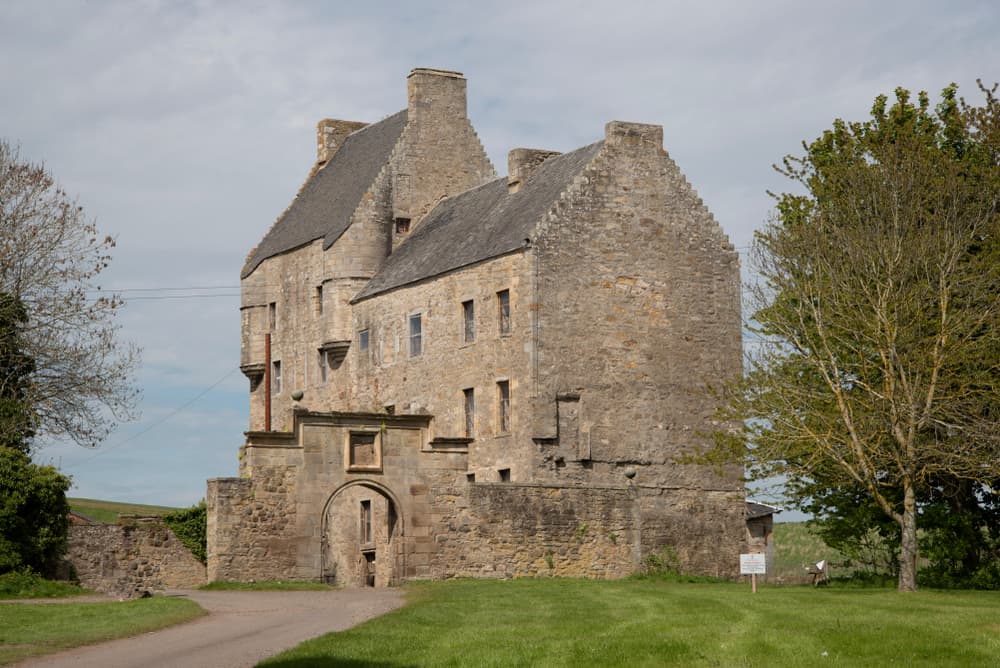
Castle Fraser in Aberdeenshire is one of the most complete surviving examples of a Scottish tower house and is closely associated with the Fraser family. Now in the care of the National Trust for Scotland and open to visitors, it provides a tangible connection to the clan whose chiefs played such a significant and complicated role in the Jacobite story.
Robertson of Struan
The Robertson clan, based in Atholl, were consistent Jacobites across multiple risings — the 1715, the 1719, and the 1745. Alexander Robertson of Struan was personally committed to the Stuart cause and fought in the 1745 campaign at an advanced age.
Commitment level: Consistent Jacobite across multiple risings.
Gordon (Some Branches)
The Gordon clan was divided. Some branches of the Gordons supported the Jacobites — particularly the Gordons of Huntly and associated junior branches. Others remained neutral or loyal to the government. The Gordon involvement was significant but not monolithic.
Commitment level: Partial Jacobite — significant factions within the clan.
Ogilvie of Airlie
Lord Ogilvie, heir to the Earl of Airlie, raised a regiment of foot soldiers for the Jacobites in Angus and Aberdeenshire and served through the 1745 campaign. He escaped after Culloden to France, was later pardoned, and returned to Scotland.
Commitment level: Active regimental service in the 1745 campaign.
Clans That Opposed or Stayed Neutral
Campbell (Principal Opposition)
The Campbells, headed by the Duke of Argyll, were the most powerful Whig clan in Scotland and the most consistent opponents of the Jacobites. The Campbells were Protestant (Presbyterian), commercially oriented, and had cultivated close ties with the Hanoverian establishment and the Union. Campbell militia fought alongside the government army. Their historical rivalry with the MacDonald clans — dating back centuries, and intensified by the Glencoe massacre — added a clan-political dimension to the ideological conflict.
Government alignment: Strong — core government supporters in every Jacobite rising.
Sutherland
The Sutherland clan, in the far north-east of Scotland, were Protestant and aligned with the government. The Earl of Sutherland raised men for the government forces in 1745.
Government alignment: Consistent.
Munro of Foulis
The Munros of Easter Ross were Protestant and loyal to the government. Sir Robert Munro of Foulis served as an officer in the government forces and was killed at the Battle of Falkirk in 1746.
Government alignment: Active — Munro died fighting the Jacobites.
Ross
Clan Ross, in Easter Ross, was generally aligned with the government during the 1745 campaign.
Government alignment: Moderate.
Forbes
Lord President Duncan Forbes of Culloden (whose house gave its name to the battlefield) was one of the most important government figures in Scotland during the 1745 Rising. He worked tirelessly to keep wavering chiefs from joining Charles and to organise government resistance in the north. He was not a fighting chief but a lawyer and administrator — but his influence kept several clans neutral.
Government alignment: Strong — key government loyalist and administrator.
Why Highland Clans Supported the Stuarts
The reasons for Jacobite loyalty among the Highland clans were multiple and interlocking:
Religion: Many Highland clans were Catholic or Episcopalian. The Hanoverian settlement was specifically Protestant — the Act of Settlement 1701 barred Catholics from the throne. A Stuart restoration represented the only prospect of relief for Scottish Catholics and Episcopalians from penal laws and religious discrimination.
The Act of Union 1707: Many Highlanders resented the Union with England and saw it as a betrayal of Scottish independence. The Stuarts represented the traditional Royal House of Scotland, and their restoration offered the prospect — however vague — of a different relationship between Scotland and England.
Traditional loyalty: The Highland clan system operated on bonds of personal loyalty. Chiefs owed loyalty to the legitimate king as part of the same framework by which clansmen owed loyalty to their chief. The deposition of James II had violated the divinely ordained order, and many Highland chiefs felt a genuine sense of obligation to the legitimate line.
Land and title: Some chiefs had lost land or privileges in earlier risings or political settlements. A Stuart restoration offered the prospect of recovering forfeited estates.
Resistance to Lowland Scotland: Highland society was culturally distinct from Lowland Scotland — different language (Gaelic), different law (customary Highland law), different economy (pastoral and warrior culture versus agricultural and commercial). The Hanoverian establishment represented the Lowland Presbyterian commercial class that had little understanding of or sympathy for Highland culture. The Jacobite cause offered an alternative.